How I Built My Dog's Confidence in the World
By Christelle S. • 2025-03-13
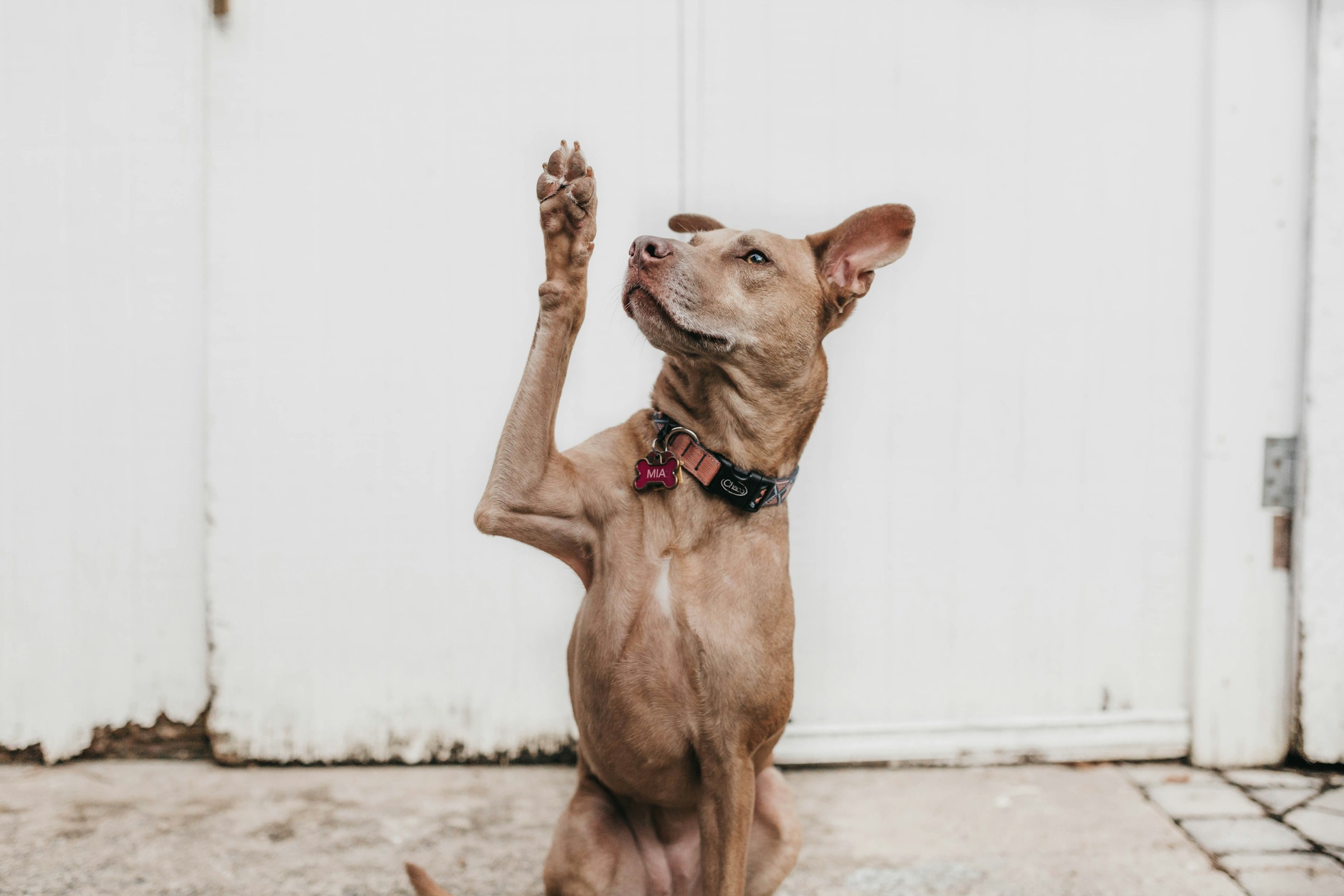
When I first brought my German Shepherd home, she was full of nerves. Every noise, every new environment, every unexpected movement sent her into high alert. I knew reactivity was part of her personality, but I didn’t realize how much confidence-building would be the key to helping her navigate the world more peacefully.
Step One: Letting Go of My Own Anxiety
I didn’t expect this part. But honestly, my dog was feeding off my energy more than I realized. I was always tense, bracing for the next reaction. Once I started focusing on staying calm and present, things slowly began to shift for her too.
Step Two: Small Wins First
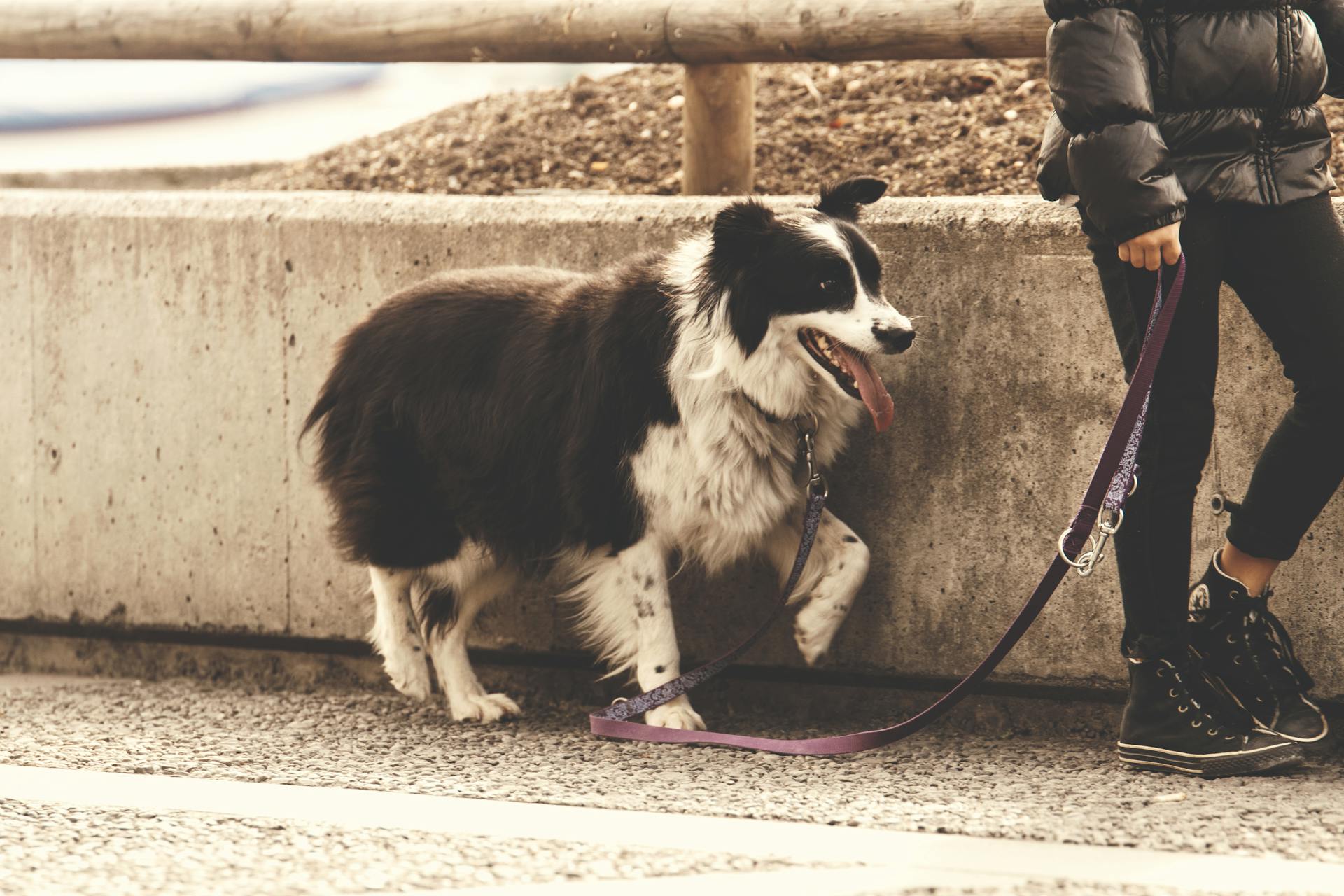
I started with places where she felt safer—empty parking lots, quiet streets, or early morning walks when the world was still asleep. We’d practice simple cues like “look at me” or “touch,” rewarding her for calm focus. Over time, I’d gradually introduce more challenging environments, but only when she was ready.
Step Three: Building Positive Associations
Every trigger became an opportunity for good things to happen. If she saw a dog in the distance and didn’t react, treats rained from the sky. If a bike passed by and she stayed calm, she got her favorite tug toy. Little by little, she started to see these things not as threats, but as signs that something awesome was about to happen.
Step Four: Structured Exploration
Sniffing walks in nature, gentle agility courses in the backyard, or even small parkour challenges like stepping onto logs or climbing rocks gave her little boosts of confidence. Each success, no matter how small, added up.
Step Five: Advocating for Her
I became that “annoying” owner who crosses the street when another dog is coming, or politely tells people “she’s in training” when they want to approach. But it was worth it. Giving her space to feel safe built trust between us, and over time, she started looking to me for guidance instead of reacting out of fear.
Step Six: Working with Thresholds
Understanding her “threshold” was a game-changer. I learned to read her body language and recognize when she was reaching her limit before a full reaction happened. If her ears pinned back, her body stiffened, or her breathing changed, I’d calmly create distance and reward her for choosing to disengage. This prevented meltdowns and built her confidence in handling situations without going over the edge.
Step Seven: Building Resilience with Pattern Games
We played a lot of simple pattern games, like “123 Treat” or “Up-Down,” which helped her stay focused and regulated in more challenging environments. These games gave her something predictable to focus on when the world around her felt overwhelming.
The Importance of Rest and Decompression
Something I overlooked for a long time was rest. When we were in training mode, I was pushing her too much. But reactive dogs need decompression days—sniffy walks in quiet areas, mental enrichment at home, or simply chilling on the couch. Giving her brain time to relax between training sessions made a massive difference.
The Breakthrough Moment
I’ll never forget the day she confidently walked past two dogs barking behind a fence without even glancing at them. It felt like magic, but really, it was months of tiny steps leading up to that moment.
Where We Are Now
Is she a perfectly confident dog now? No. And that’s okay. Some situations still make her uncomfortable, but her progress has been incredible. She trusts me more, she trusts herself more, and I’ve learned to celebrate the small victories along the way.
If you’re on this journey with your reactive dog, trust me when I say: it’s not about “fixing” them. It’s about showing them the world isn’t as scary as they think, one small victory at a time. And honestly? It’s changed me just as much as it’s changed her.